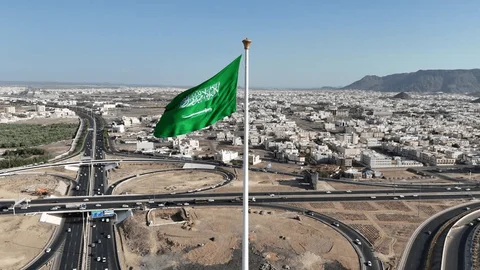
You've accepted the offer. The visa is processing. You're already scrolling through Google Maps, zooming into Riyadh neighbourhoods, trying to figure out where Al Olaya ends and Al Malqa begins. But between the excitement and the logistics, one question keeps coming up and it's usually the first one that actually stresses people out.
How does renting actually work here?
If you're moving to Saudi Arabia whether for a new job, a family relocation, or because the opportunity was simply too good to pass this is the guide that would've saved you a dozen WhatsApp messages to that one colleague who moved here last year.
No filler. No "Saudi Arabia is a vibrant country with a rich culture" preamble. Just the stuff you actually need to know.
The Rental System: Different From What You're Used To
Saudi Arabia's rental market runs on a system that catches most newcomers off guard. In much of the world, you pay rent monthly, first month, last month, maybe a deposit, and you're in. Here, the standard expectation is that you pay rent for the entire year upfront. One lump sum. Before you move in.
For a two-bedroom flat in a decent Riyadh neighbourhood, that could mean SAR 70,000–100,000 handed over before you've unpacked a single box. That's roughly £15,000–22,000 or $19,000–27,000 in one go.
This isn't a quirk. It's the norm. Landlords expect it. Brokers expect it. The system is built around it. Understanding this early saves you from the shock that hits most expats about two weeks before their move-in date.
The good news: this is changing. Monthly rent options now exist more on that shortly.
The Ejar Platform: Your Contract's Official Home
Every residential lease in Saudi Arabia must be registered on Ejar (إيجار), the government's electronic rental platform managed by the Real Estate General Authority (REGA). This isn't optional, it's legally required.
What Ejar does for you:
It standardises rental contracts, protects both tenants and landlords, and creates a legal record of your lease. If a dispute arises, the Ejar contract is your evidence. Without it, you have very little legal standing.
What you need to know as an expat: your landlord or broker will handle the Ejar registration, but you'll need to approve the contract through your Absher account. Make sure your Absher profile is set up and linked to your iqama before you start flat-hunting. This is one of those things people leave until the last minute and then scramble to sort out.
Documents You'll Need (The Actual List)
Every guide gives you a vague "you'll need some documents." Here's what landlords, brokers, and platforms will actually ask for:
Non-negotiables: A valid iqama (residency permit) this is your identity in Saudi Arabia. A salary certificate or employment letter from your employer, confirming your role and monthly salary. A passport copy with your visa page. A SIMAH credit check this is Saudi Arabia's credit bureau, and landlords or platforms may pull your score to assess reliability.
Commonly requested: Bank statements covering the last three months. A letter from your sponsor or company confirming your employment status. A reference from a previous landlord, though this is more common for higher-end properties.
Pro tip: Get your salary certificate sorted within your first week. It's the single document that holds up the most rental applications and most HR departments take 3–5 working days to issue one.
Finding a Flat: Where to Look
Forget Rightmove and Zillow. The Saudi rental market has its own ecosystem.
Aqar (عقار) is the largest property listing platform in Saudi Arabia. Think of it as your primary search tool — most available units are listed here, often by brokers and sometimes directly by landlords. Haraj is more of a classifieds marketplace with a property section. Less polished, but occasionally you'll find deals that aren't listed elsewhere.
Brokers are a significant part of the process. In Saudi Arabia, real estate brokers aren't just middlemen — they're often the primary way properties get filled. A good broker will handle the Ejar registration, negotiate with the landlord, and walk you through the paperwork. Their commission is typically 2.5% of the annual rent, paid by the tenant.
Company housing coordinators if your employer is large enough, they may have a dedicated team or a relocation partner who handles housing. Ask before you start searching on your own. Some companies also have housing allowance structures that influence which neighbourhoods and price ranges make sense.
Word of mouth still works remarkably well here. Expat communities on Facebook, Reddit (r/saudiarabia), and WhatsApp groups for specific nationalities are full of people sharing leads, warning about problem landlords, and recommending brokers.
Neighbourhoods: A Quick Orientation
If you're heading to Riyadh which is where most expat roles are based, here's a rough mental map.
North Riyadh (Al Malqa, Hittin, Al Narjis, Al Yasmin) is where most expat families settle. Newer developments, international schools, malls, and a generally more cosmopolitan feel. Rents are higher — expect SAR 80,000–120,000 annually for a decent 2–3 bedroom flat.
Central Riyadh (Al Olaya, Al Wurud, Al Sulaimaniyah) is the business corridor. Great if you work in the city centre and want a short commute. More urban, more walkable (by Riyadh standards), and popular with single professionals and couples. Rents here range from SAR 60,000–100,000 annually.
East and South Riyadh offer more affordable options but with longer commutes and fewer of the amenities expats typically look for. If budget is the primary driver, these areas are worth exploring — but factor in the cost and time of commuting before you commit.
Jeddah has a different feel entirely more relaxed, coastal, and with a strong expat community around Al Hamra, Al Rawdah, and the Corniche area. Rents tend to be 10–20% lower than comparable Riyadh neighbourhoods.
The Annual Rent Problem And the Monthly Alternative
Here's where most expats hit a wall. You've found a flat, you love the neighbourhood, the broker is ready to go and then you're told the rent is SAR 90,000 upfront.
If you're on a SAR 15,000 monthly salary, that's six months of income. Before furniture. Before school fees. Before you've even set up a bank account.
This is the single biggest friction point in Saudi's rental market and it affects everyone, not just expats.
The shift that's happening now: platforms like Ejari have made it possible to pay rent monthly. The landlord still receives their payment upfront in full but the tenant pays month by month. It removes the lump-sum barrier without changing the landlord's experience.
For expats, this changes the entire relocation equation. Instead of needing six figures in a Saudi bank account before you move in, you need one month's rent and a straightforward approval process. The Ejar contract is still registered, the landlord is still paid — you're just not draining your savings on day one.
Costs Beyond Rent (Budget for These)
Rent is the largest expense, but it's not the only one. Here's what else to factor in:
Broker commission: Typically 2.5% of annual rent. On a SAR 80,000/year lease, that's SAR 2,000. Paid once, at signing.
Security deposit: Usually one month's rent. Refundable at the end of your lease, assuming no damage. Get this in writing.
Furniture: Most rentals in Saudi Arabia are unfurnished. Budget SAR 10,000–25,000 for a basic setup, depending on your standards and whether you're buying new or second-hand. IKEA, Home Centre, and the used furniture market on Haraj are your main options.
Utilities: Electricity (SECO/SEC), water (National Water Company), and internet (STC, Mobily, or Zain) are tenant responsibilities. Expect SAR 500–1,200/month total, depending on flat size and summer AC usage. Saudi summers are not subtle your electricity bill from June to September will be noticeably higher.
Absher and government services: Free to use, but you'll need them for everything from Ejar contract approval to vehicle registration. Set these up early.
Common Mistakes Expats Make
Signing before seeing the Ejar contract. Some brokers will pressure you to transfer money before the Ejar contract is registered. Don't. The Ejar contract is your legal protection. No Ejar, no deal.
Not checking the AC. This sounds minor. It is not. If your flat's AC unit is old or undersized, your electricity bill will be brutal and your summer will be miserable. Test it during your viewing. Ask when it was last serviced.
Ignoring the commute. Riyadh is a driving city. Public transport is expanding (the Riyadh Metro launched in late 2024), but most daily commutes still happen by car. A flat that's 20 km from your office might mean a 45-minute drive in traffic — each way. Map your commute during peak hours before you sign.
Assuming your company will sort everything. Some do. Many don't. Clarify your housing support in writing before you arrive. If your company provides a housing allowance, understand whether it's paid monthly or annually — this affects which rental options work for you.
Waiting too long to start searching. The best units in popular expat areas move fast, especially during peak relocation months (August–October, when school years begin). Start browsing two months before your move date, even if you can't commit yet.
The Short Version
Saudi Arabia's rental market is not complicated, it's just different. The annual upfront payment norm is the biggest surprise for most newcomers, but it's increasingly not the only option. Monthly rent is now a real, accessible choice.
Get your documents ready early, understand the Ejar system, choose your neighbourhood based on commute and lifestyle (not just price), and don't let the lump-sum tradition catch you off guard.
You're moving to a country in the middle of one of the most ambitious economic transformations on the planet. The opportunities are real. The rental process is solvable. And the sooner you understand how it works, the sooner you can stop worrying about logistics and start settling in.
Ready to explore monthly rent? Apply today! it takes 45 seconds, and there's no commitment.
https://app.ejari.sa/dashboard/onboarding